RUMETT: From burned refugee camps to fire-resistant gypsum panels
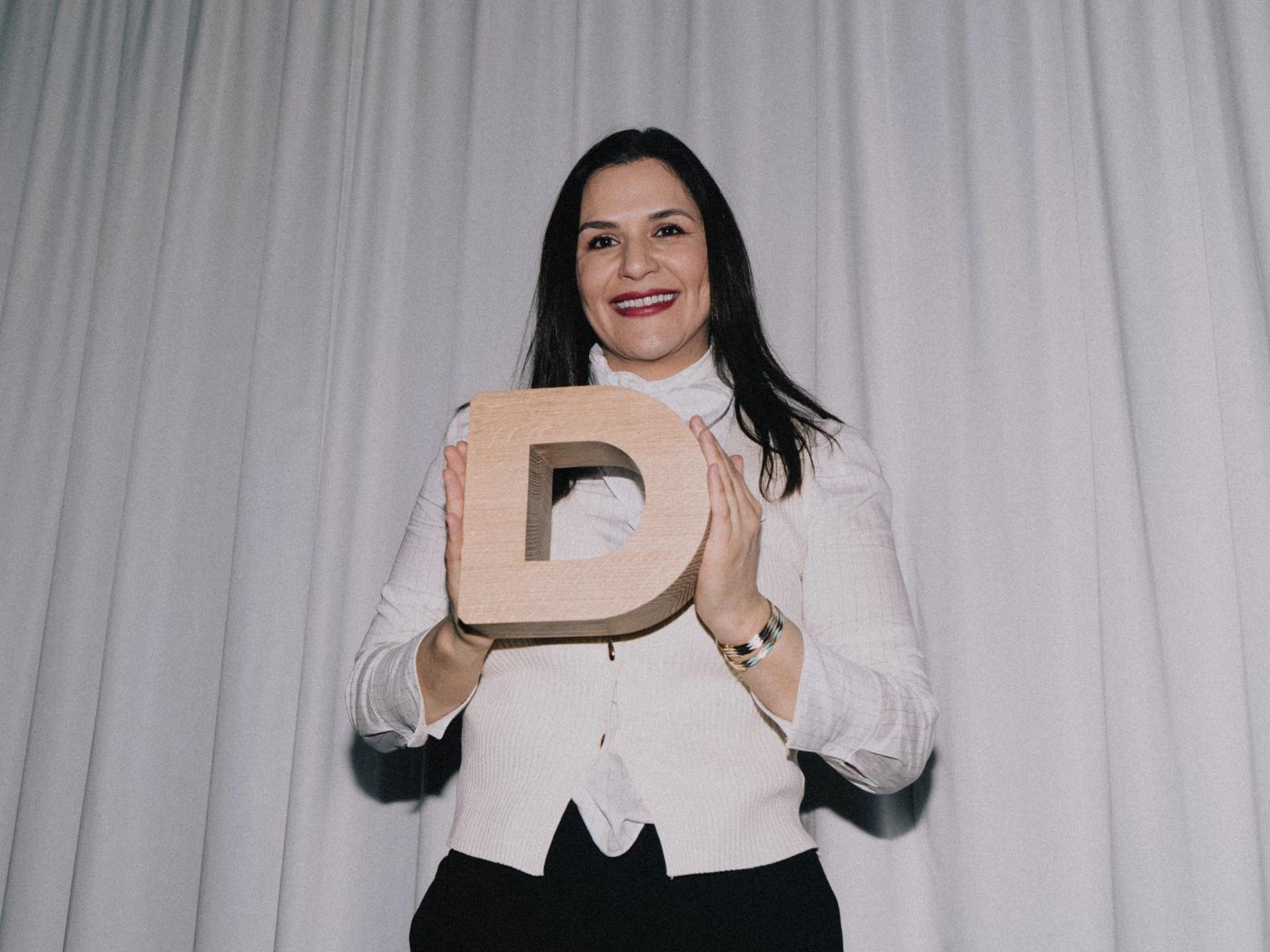
About Rumett
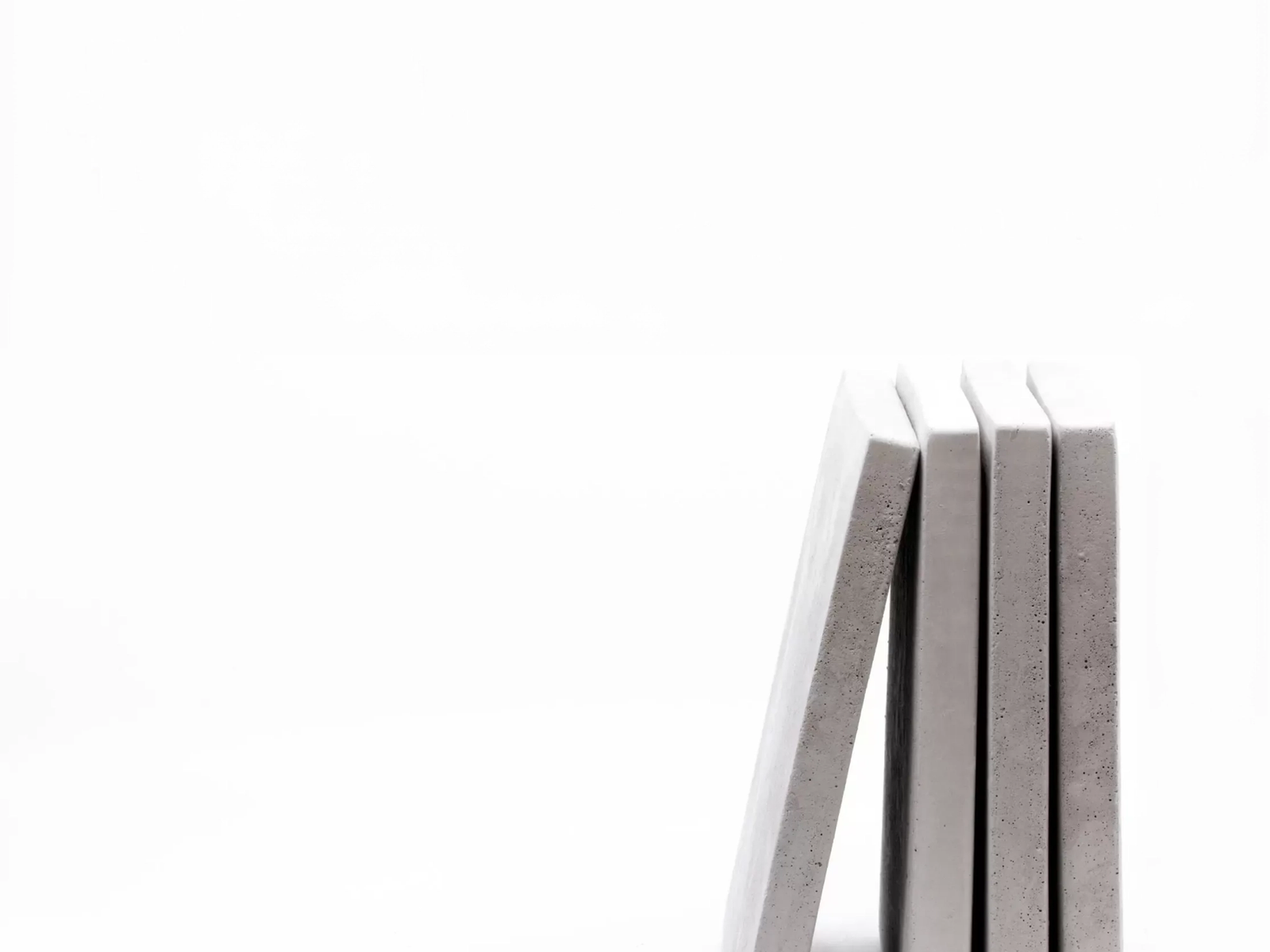
Rumett is a Danish startup founded in 2020 by siblings Diana and Taha Saleh. The company develops gypsum panels made by blending gypsum with ash and mineral waste, making the panels more fire-resistant and sustainable.
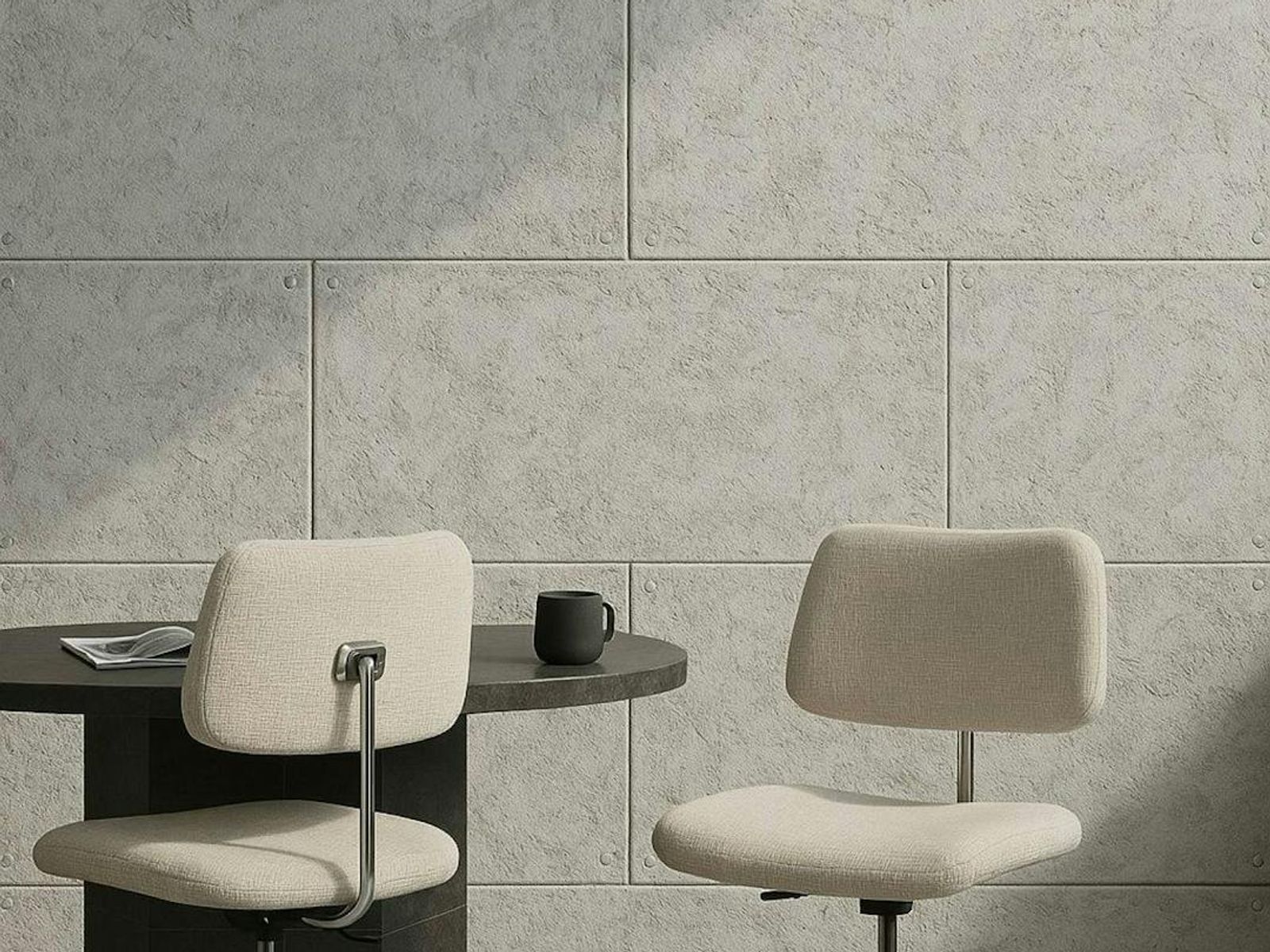
Rumett’s panels are paper-free and designed to be screwed into place, taken down, and reused, enabling flexible, circular wall systems for both refugee camps and the broader construction industry.
The years Diana Saleh spent working as a humanitarian project leader in refugee camps became the driving force behind her work. In 2025, she won the Young Ideas Award at the Danish Design Award for her project Rumett: a fire-resistant gypsum panel made with ash waste, designed to protect vulnerable communities and make the construction industry more sustainable.
It doesn’t take much. Just a small spark against a tent wall – and within seconds, a refugee camp can be engulfed in flames. The fire moves quickly and mercilessly, spreading to everything in its path. The sky fills with dark gray smoke, while panicked screams and the sharp smell of burning plastic linger in the air. What started as a family preparing dinner turns into hundreds of burned tents and just as many families forced to start over. Again.
Diana witnessed this scenario firsthand during her time working in the Balkans and Lebanon. Over seven years with Mercy Corps USA, she saw how fires could wipe out entire camps in minutes because the structures were built from wood and plastic – highly flammable materials chosen because they were temporary and inexpensive.
“I became deeply interested in understanding how these communities and camps functioned – the entire infrastructure around them. They faced enormous challenges in terms of organization, sanitation, and safety, and I was curious about how those conditions could be improved,” Diana explains.
This was where the vision for Rumett began.
From vision to product
When Diana first set out to improve safety for the thousands of people living in refugee camps worldwide, she did not have a business plan or a defined product. But during her studies in architectural technology and construction management, the solution began to take shape. A semester focused on fire safety in timber structures became a turning point. “During my studies, I realized how little it actually takes to fire-protect a structure. You simply need to work with mineral-based materials between spaces. That knowledge became the foundation for my student project on refugee camps – and later for the idea behind Rumett,” she says. She began exploring how residual materials could be used to create new, fire-resistant surfaces. That search led her to ash – a material typically considered waste, yet known for its thermal and insulating properties. The first years were dedicated to understanding the material in depth. Together with her brother Taha, an engineer, she developed the first prototypes. Although the panels appear simple, producing them is complex. Throughout the process, Diana faced repeated skepticism from experts and chemical engineers who believed it would be too difficult – even impossible – to create the right material. And far too expensive. “Gypsum is a crystalline material, and when you add ash, you disrupt the entire reaction. Our first samples crumbled like chalk. Several chemical engineers told me to give up – that it was too complicated. But I kept going because I truly believed it could be done.”
“Gypsum is a crystalline material, and when you add ash, you disrupt the entire reaction. Our first samples crumbled like chalk. Several chemical engineers told me to give up — that it was too complicated. But I kept going because I truly believed it could be done”
From Ash to space
Today, the material consists of 20–30 percent ash waste mixed with crushed gypsum and a natural binder. The ash is sourced locally, including from Danish biomass-based district heating plants. Rumett panels have low thermal conductivity, making them more fire-resistant than conventional gypsum boards. At the same time, they emit significantly less CO₂, as the ash replaces energy-intensive industrial and natural gypsum that typically requires high-temperature production. “It’s inspiring to see how the new generation of designers uses design to take responsibility. We are in a time of transition away from the throwaway mindset. In the green transformation, it is essential that we explore the potential of residual materials – creating value for people while showing care and respect for the planet,” says Linda Nhu Laursen, Head of Research at AAU Design Lab at Aalborg University and juror at the Danish Design Award. Today, Rumett is more than a material – it represents a new way of building. In addition to the panels, Diana is collaborating with Danish 3D construction company COBOD to explore 3D-printing gypsum-based structures – walls and small houses that can be produced locally, quickly, and with a significantly lower carbon footprint than traditional construction. The vision is clear: to create fast, safe, and sustainable structures for rebuilding after war and disaster. As Diana says:
“The dream I had from day one is still alive: to help use local resources to rebuild communities.”
Caption here
“It’s inspiring to see how the new generation of designers uses design to take responsibility. We are in a time of transition away from the throwaway mindset. In the green transformation, it is essential that we explore the potential of residual materials – creating value for people while showing care and respect for the planet”
The Future of Construction
Although Rumett was initially developed for refugee camps, the product holds significant commercial potential – particularly in the construction sector, which accounts for approximately 30% of Denmark’s total CO₂ emissions.
The panels are designed to be disassembled, reused, and reassembled. Instead of glue, they use mechanical joints – four screws that allow the panels to be removed and reused without generating waste.
“The product speaks directly to a time when we must protect our resources. At the same time, the panels are honest in their raw expression. They contribute to how we think about circular solutions in construction and can inspire others,” says Linda Nhu Laursen.
The circular construction principle is at the core of everything Rumett develops: walls that can be moved, taken apart, and rebuilt.
In 2025, she was named one of two winners of the Young Ideas Award at the Danish Design Award – a clear example of how design can drive real change.
For Diana, it all began in a refugee camp reduced to ash. Today, she holds a material with the potential to prevent that story from repeating itself – while pointing toward a more sustainable future for the construction industry.