Meet the Winners: Celebrating Everything from Thoughtful Details to Groundbreaking Solutions for Society
This year’s winners include a medical device designed to reduce the risk of childbirth injuries, an everyday electrical plug that combines functionality with good design, and a visual identity for a new circus school. Together, they demonstrate the diversity of Danish design and its ability to create value across different fields.
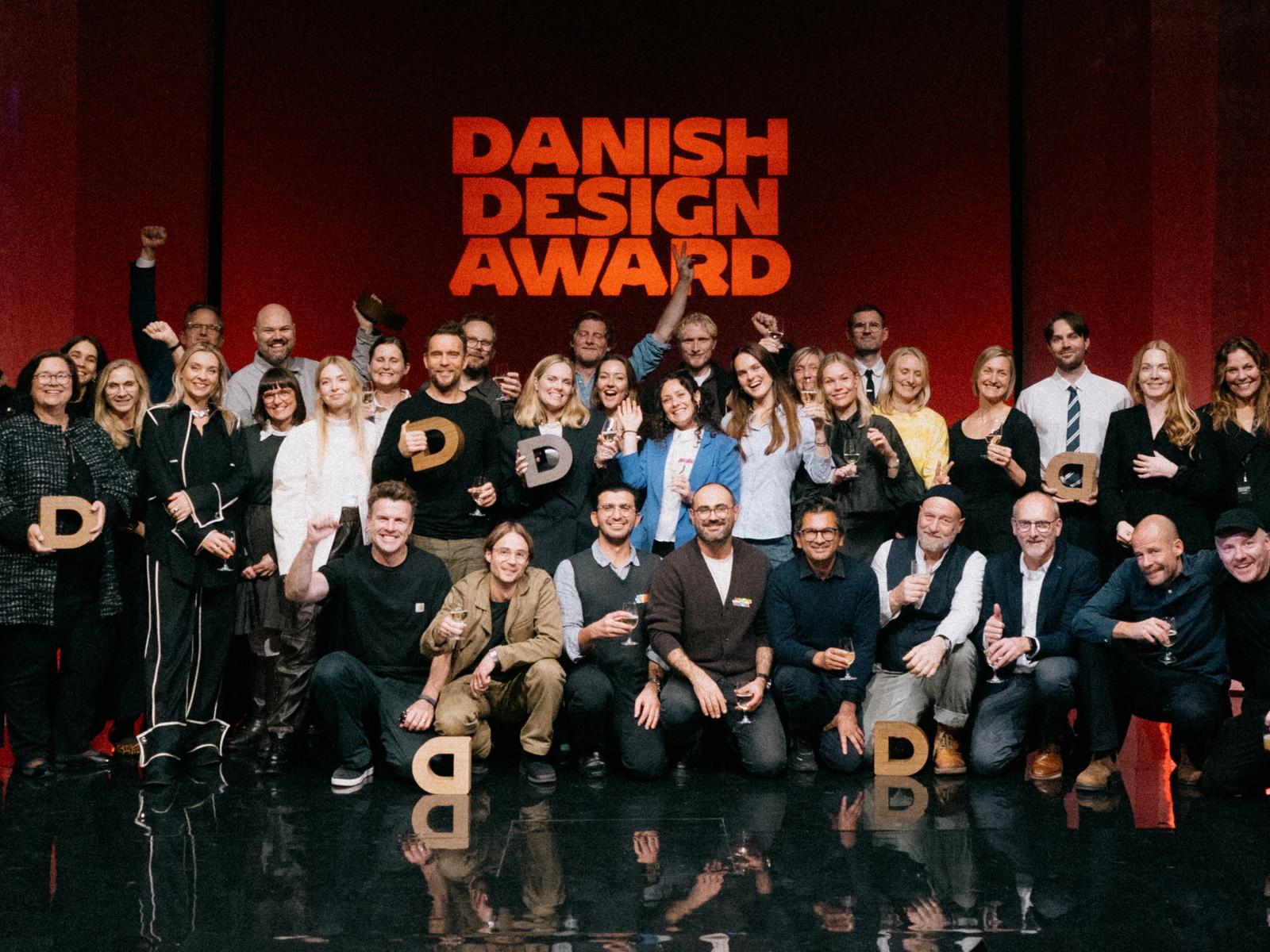
On Thursday evening, seven Danish design solutions were named winners of the Danish Design Award at Nørrebro Teater in Copenhagen. The event brought together the design industry, business community, and design schools to celebrate some of the most exciting Danish design solutions today.
The winners come from a wide range of industries and disciplines, but they share a common approach: rethinking the familiar and finding new ways to address well-known challenges. Their work spans product design, materials, spatial design, and graphic design – from small improvements to everyday life to innovative ways of reusing resources and creating value.
According to jury member Anders Thulin, Head of Department at the Royal Danish Academy, this year’s winners show that Danish design is in strong shape:
“There is a clear respect for craftsmanship and a strong focus on rethinking, reuse, and making better use of materials. At a time when everything is moving faster and technology can do more than ever, the winners demonstrate the importance of designing with intention and creating solutions that make a real difference for people and society.”
“At a time when everything is moving faster and technology can do more than ever, the winners demonstrate the importance of designing with intention and creating solutions that make a real difference for people and society”
The Danish Design Award 2026 winners: Kongernes Samling: A visual identity bringing together seven historic castles and museums in Denmark.
Copenhagen Contemporary Circus College: A visual identity for a new circus school.
Søuld Acoustic Fragments: Acoustic panels made from eelgrass and leftover production materials.
LKR Innovation House: A former warehouse transformed into an innovation hub, with more than 50% of the original materials reused.
Norm K: An electrical plug that combines aesthetics with improved usability in the home.
ReCraft (Young Ideas): Panels, flooring, and surfaces crafted from demolished building waste.
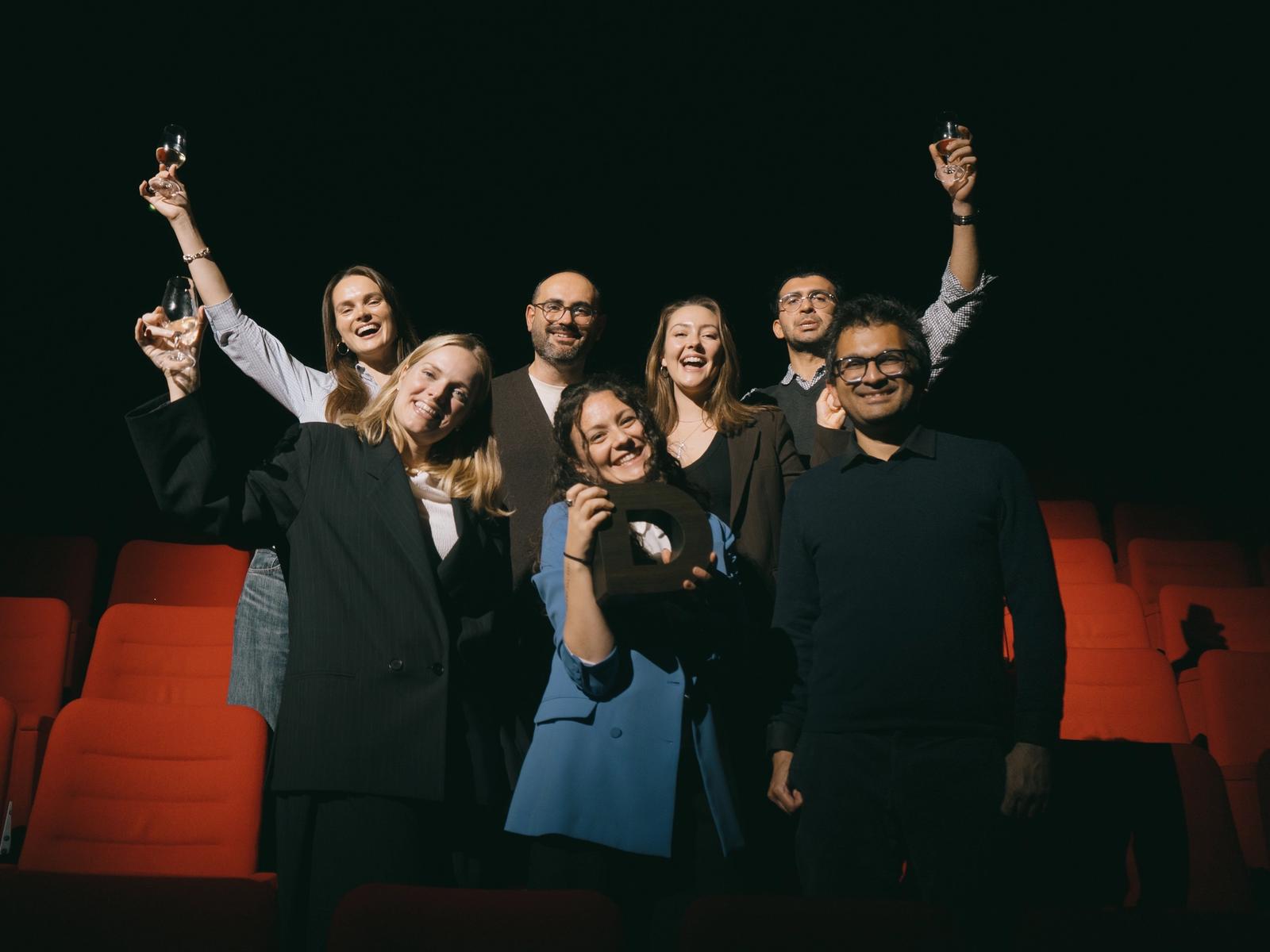
ASISU by Oasicare (Jury’s Selection): A medical device designed to reduce the risk of tearing during childbirth.
From overlooked need to award-winning design
This year’s Jury’s Selection went to ASISU, developed by Oasicare – a special award allowing the jury to highlight a project that deserves particular attention.
ASISU is a medical device used by midwives to reduce the risk of tearing during childbirth. The device distributes the pressure exerted by the baby’s head on the mother’s tissue, helping to prevent injuries that currently affect between 80 and 90 percent of women who give birth vaginally. Simulations show that the device can reduce peak tissue strain by up to 50 percent.
According to Oasicare co-founder Ditte-Marie Fog Ibsen, developing ASISU has required innovation that goes far beyond any single discipline:
“In a startup, every skill matters – from design and engineering to business acumen and, most importantly, understanding the clinicians we are designing the product for. It takes a dedicated team to bring all these perspectives together and create something meaningful. Winning a Danish Design Award is a wonderful recognition of our collective effort and our ambition to make a real difference in women's health.”
Together with the other winners, ASISU helps point the way forward for Danish design: solutions and products that combine innovation, aesthetics, and functionality. This is enduring design with aesthetic appeal, creating value for people and society while strengthening the position of Danish companies in the market.
Read more about the winners here.
Download press photos from the award ceremony here (Photo credit: Nicolaj Springborg).